
Our specimens
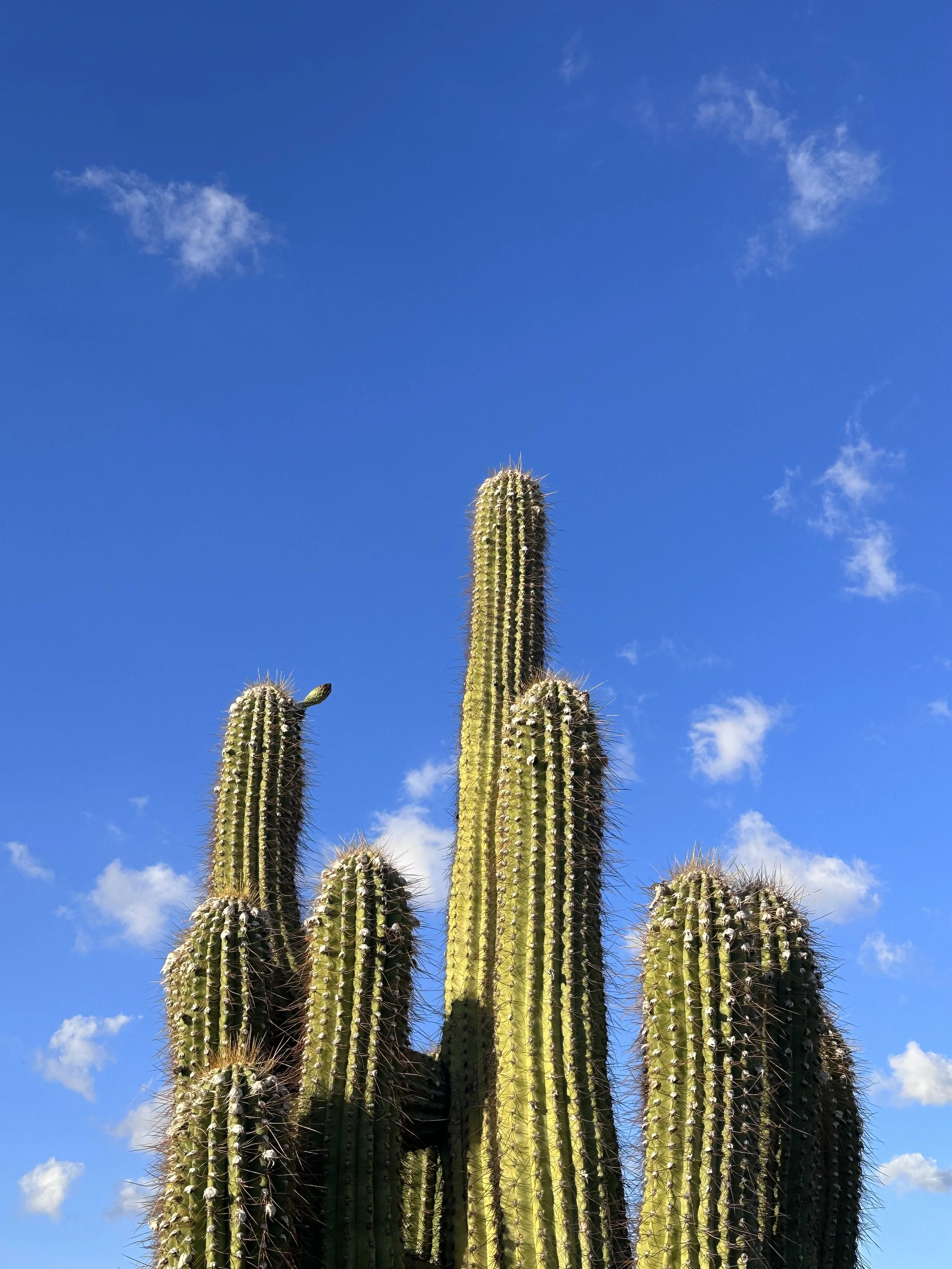
Saguaro
Saguaros have a relatively long lifespan, often exceeding 150 years. They may grow their first side arm around 75–100 years of age, but some never grow any arms. Arms are developed to increase the plant's reproductive capacity, as more apices lead to more flowers and fruit.
Saguaros have been a source of food and shelter for humans for thousands of years. Their sweet red fleshed fruits are turned into syrup by native peoples, such as the Tohono Oʼodham and Pima. Their ribs are used as building materials in the wood-poor deserts. The saguaro cactus is a common image in Mexican and Arizonan culture, and American Southwest films.
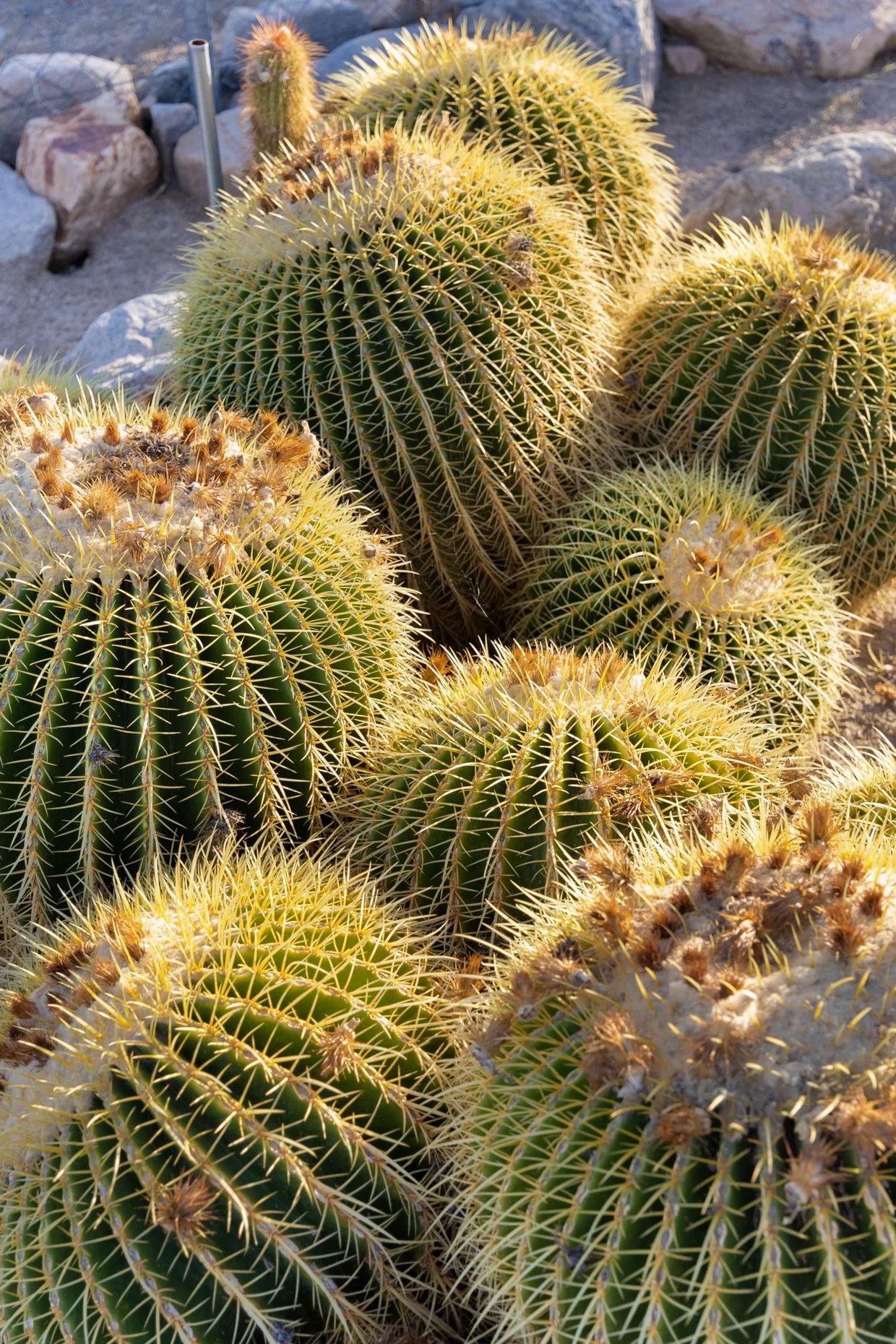
Golden Barrel
Golden barrel cactus (Echinocactus grusonii) is the desert’s little treasure chest: a near-spherical, ribbed cactus packed with water and armored in dense, golden-yellow spines. It grows very slowly, staying neatly round for many years before eventually becoming a hefty barrel that can reach around 1 meter tall and wide in ideal conditions. Because it takes a long time to mature, wild plants can persist for decades, and the biggest ones you see in gardens are often old, patient survivors.
Over the 20th century it became wildly popular in horticulture and landscaping worldwide, to the point that it’s now more common in cultivation than in its natural habitat.
In the wild, golden barrels are endangered. Their habitat was heavily reduced by development, and mature plants have long been targets for illegal collection. So while you’ll spot them everywhere in gardens, natural populations are fragmented and still declining.
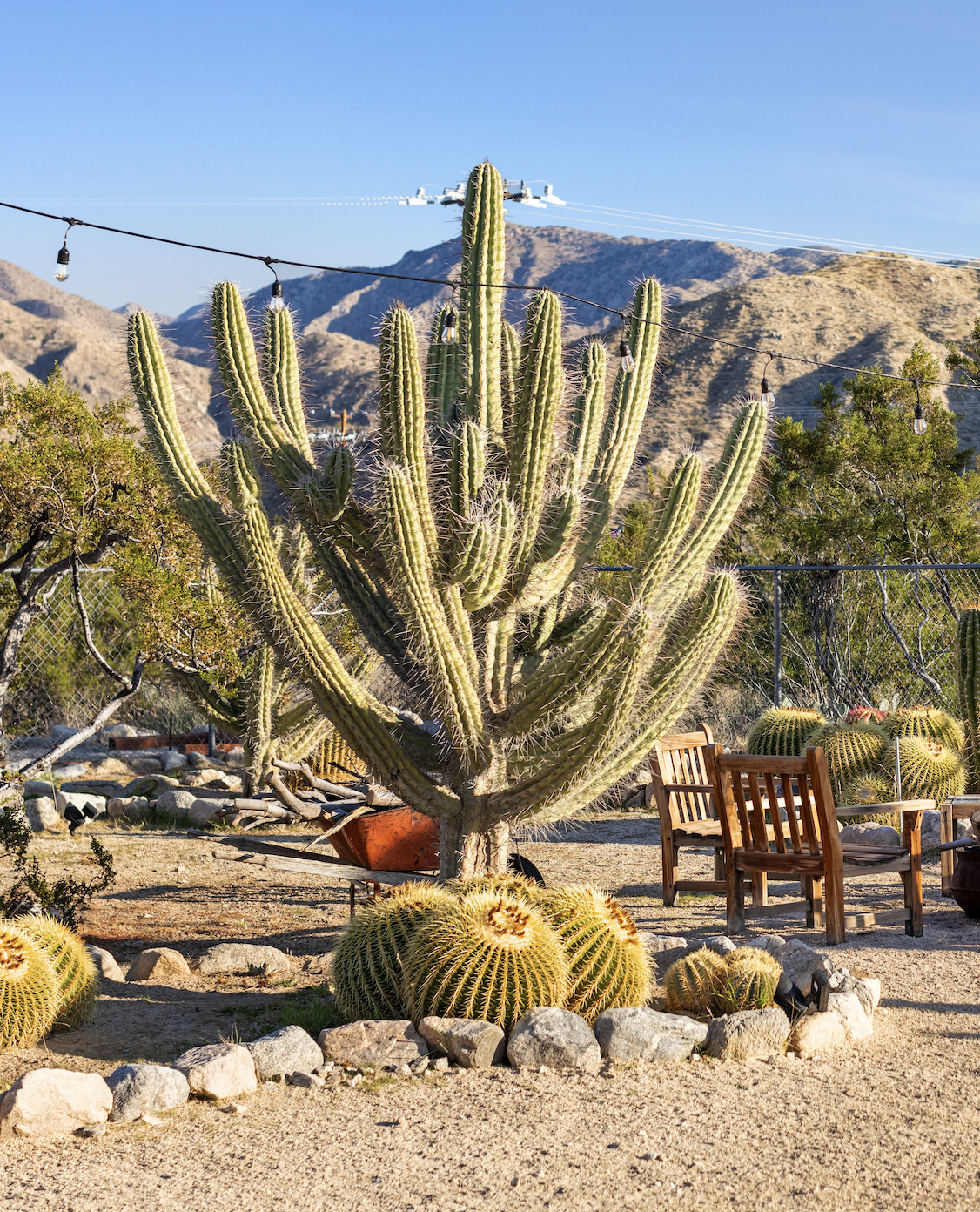
Toothpick Cactus
Stetsonia coryne, the toothpick cactus, is a dramatic, tree-like columnar cactus and the only species in its genus. Native to the arid Gran Chaco and nearby dry regions of Argentina, Bolivia, Paraguay, and western Brazil, it forms a thick trunk and many upright arms, eventually reaching roughly 5–8 m (sometimes taller) and creating real “cactus groves” in the wild.
Seasonally, mature plants push out big white, funnel-shaped flowers that open at night and can stay open into morning, typically from spring through summer in its Southern Hemisphere range; these are followed by fleshy, edible fruits that ripen from green toward red..